
"the most practical"
7000 article(s) found

I have some feelings about the three usual American coffee practices.
After drinking American coffee for a long time, on the whole, she feels like a friend who meets every day, and they always have some topics to communicate with each other. She doesn't feel very dignified like siphon; she doesn't need to listen attentively, nor does she give people accuracy like espresso; she has to strictly follow a lot of rules to achieve perfection, let alone hand-to-race moments.

The practice of Mexican Coffee Aldumara Coffee introduction
Mexicans are enthusiastic and optimistic, and the chocolates in Mexican coffee perfectly reflect this. There are different methods of Mexican coffee, but the main difference is whether it contains alcohol or not. let's first introduce the practice of non-alcohol. Heat a cup of milk, a teaspoon of cinnamon powder and a teaspoon of vanilla powder in a pot. Keep it at medium temperature. The heat is not too high. The milk must not boil. And then join.

How to practice Coffee and where can you learn the skills of how to beat Milk foam
Professional coffee knowledge exchange more coffee bean information please follow the coffee workshop (Wechat official account cafe_style) coffee flower how to practice? The best answer to the question of caffeine: 1: that means your foam has not been beaten well, that is, there are many reasons for failure, such as a milk bubble pot, in which there is sleep, not dry enough, or the wrong choice of milk, and the method of milking is not right for you.
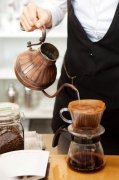
The practical version of Golden Coffee Theory: 2012 to Golden Section ratio
To drink 300ml coffee, how many grams of coffee beans should be used? gold cup gold coffee theory easy to remember practical version! Simple version (coffee cup capacity * 1.2%) / 20% = required coffee beans very simple version coffee cup capacity * 0.06 = need to put coffee beans beautiful version coffee cup capacity * 6.18% = need to put coffee beans to drink 300ml coffee, how many grams of coffee beans should be used? 300 "0.0618" 18.54
Boutique coffee Papua New Guinea origin Papua New Guinea Coffee practice
The legendary background of modern coffee. In Papua New Guinea, about 75 per cent of coffee products come from small local farmers
Panama Coffee Origins Panama Coffee Practices
The microclimate of the Panamanian highlands is the most important resource that makes Panamanian coffee unique. The most important resource that makes Panamanian coffee unique is its microclimate. The east-west environment of the Republic of Panama allows cold air currents to flow through the central mountains and converge above 6500 feet, thus creating a variety of microclimates in the Boquete and Volcn Candela regions.

Boutique coffee Papua New Guinea Coffee Origin Papua New Guinea Coffee practice
The legendary background of modern coffee. In PapuaNewGuinea, about 75 per cent of coffee products come from small local farmers
Boutique coffee Papua New Guinea Coffee Origin Papua New Guinea Coffee practice
The legendary background of modern coffee. In PapuaNewGuinea, about 75 per cent of coffee products come from small local farmers
Boutique coffee Papua New Guinea Coffee Origin Papua New Guinea Coffee practice
The legendary background of modern coffee. In PapuaNewGuinea, about 75 per cent of coffee products come from small local farmers
Boutique coffee Papua New Guinea Coffee Origin Papua New Guinea Coffee practice
The legendary background of modern coffee. In PapuaNewGuinea, about 75 per cent of coffee products come from small local farmers
Boutique coffee Papua New Guinea Coffee Origin Papua New Guinea Coffee practice
The legendary background of modern coffee. In PapuaNewGuinea, about 75 per cent of coffee products come from small local farmers
Boutique coffee Papua New Guinea Coffee Origin Papua New Guinea Coffee practice
The legendary background of modern coffee. In PapuaNewGuinea, about 75 per cent of coffee products come from small local farmers

Boutique coffee Papua New Guinea Coffee Origin Papua New Guinea Coffee practice
The legendary background of modern coffee. In PapuaNewGuinea, about 75 per cent of coffee products come from small local farmers
Boutique coffee Papua New Guinea Coffee Origin Papua New Guinea Coffee practice
The legendary background of modern coffee. In PapuaNewGuinea, about 75 per cent of coffee products come from small local farmers
Boutique coffee Papua New Guinea Coffee Origin Papua New Guinea Coffee practice
The legendary background of modern coffee. In PapuaNewGuinea, about 75 per cent of coffee products come from small local farmers
Boutique coffee Panamanian coffee origin Panamanian coffee practice
The microclimate of the Panamanian highlands is the most important resource that makes Panamanian coffee unique. The most important resource that makes Panamanian coffee unique is its microclimate. The east-west environment of the Republic of Panama allows cold air to flow through the Central Mountains and converge above 6500 feet, creating a variety of microclimates in the Boquete and Volcn Candela regions.

Where to learn coffee flower-how to practice coffee flower at home
Where to learn coffee flower-how to practice coffee flower at home steam foam machine or manual milk bubble pot: what is milk foam? Milk foam is the product of a fine mixture of milk and air. The way to make milk foam is to pump air into the milk. The principle is simple, but it is not a simple thing to make a cup of dense and meticulous foam. The most common problem is that too much air gets in.
Boutique coffee Papua New Guinea Coffee Origin Papua New Guinea Coffee practice
The legendary background of modern coffee. In Papua New Guinea, about 75 per cent of coffee products come from small local farmers
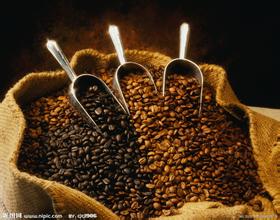
Boutique coffee Papua New Guinea Coffee Origin Papua New Guinea Coffee practice
The legendary background of modern coffee. In Papua New Guinea, about 75 per cent of coffee products come from small local farmers
Boutique coffee Papua New Guinea Coffee Origin Papua New Guinea Coffee practice
The legendary background of modern coffee. In Papua New Guinea, about 75 per cent of coffee products come from small local farmers